Casting Away My Demons: How Fly Fishing Saved My Life by Hannah R.
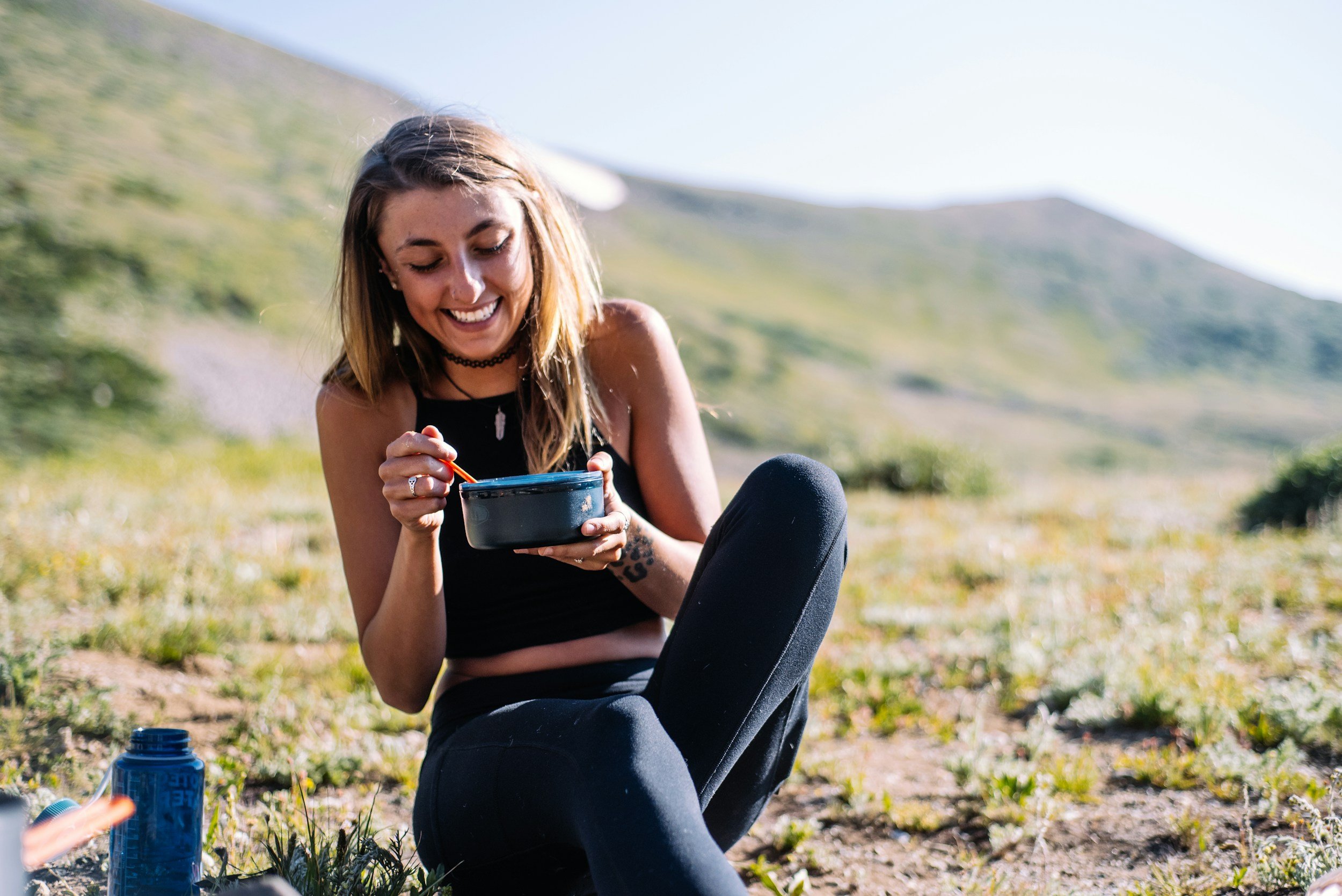
Hi, I’m Hanna. I’m 28 years old, shy to a fault, and as of last month, four years sober. Writing this feels like standing on a stage without a script, which is the kind of situation I’ve avoided my whole life. I’ve always been the quiet one—the person on the edge of a group who smiles, nods, and laughs at everyone else’s jokes but rarely adds her own. But sobriety has taught me something unexpected: sharing your story has power. It’s uncomfortable, sure, but it has a way of connecting us in ways silence never can.
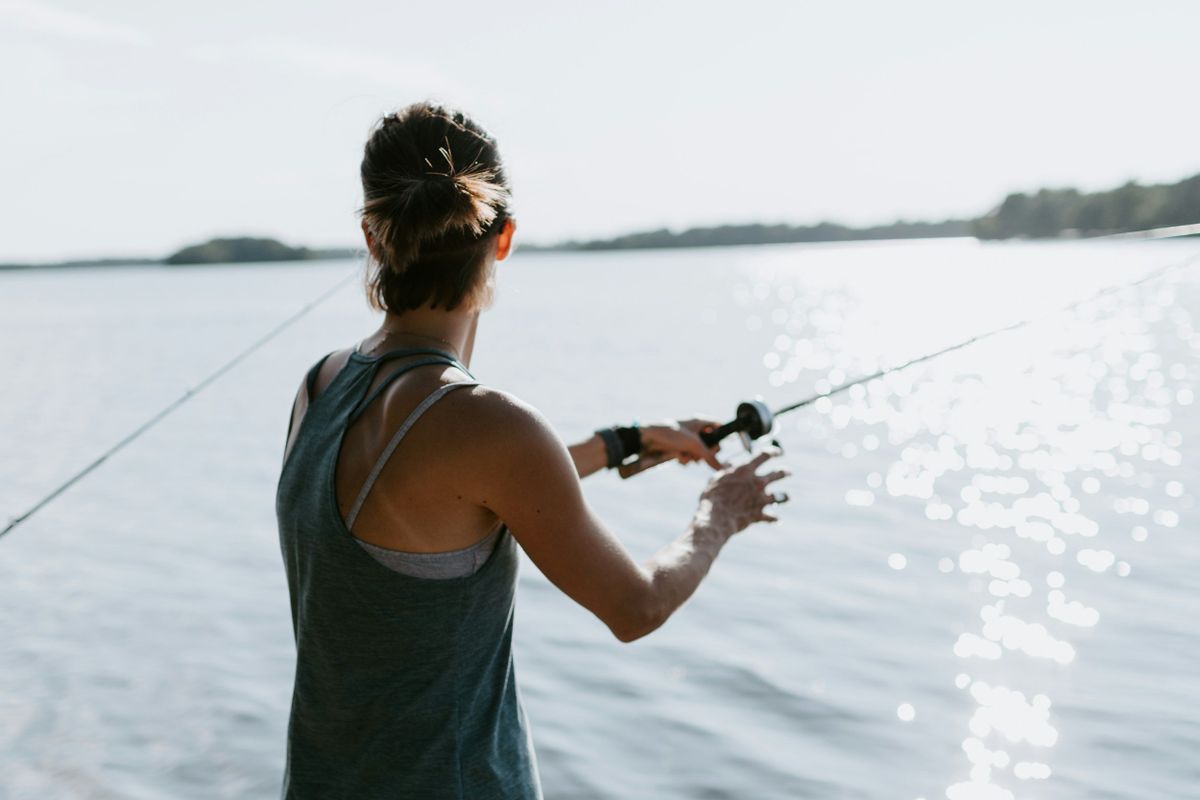
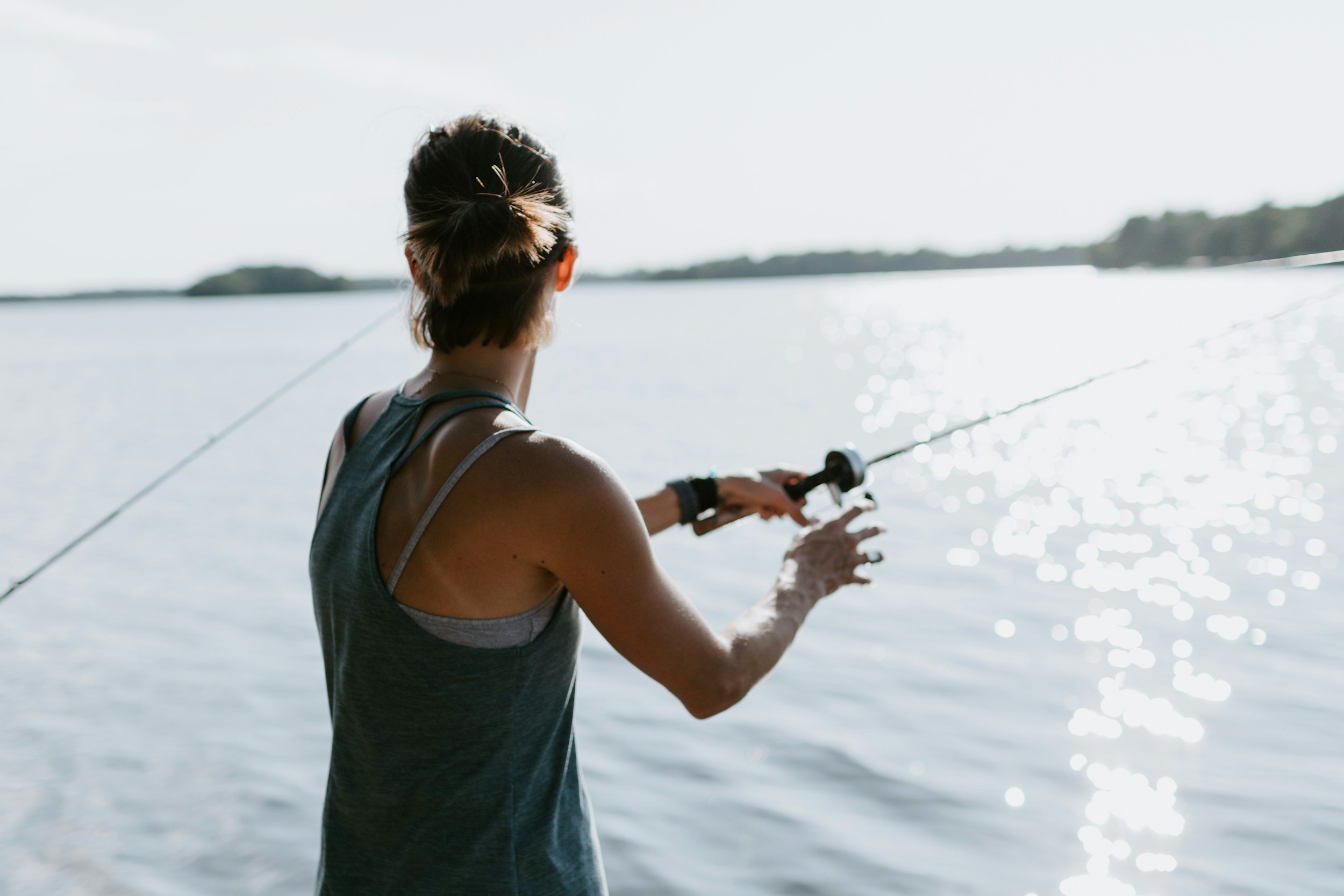
Four years ago, I was drowning. Not literally, but that’s the best way to describe the weight of my addiction. It felt like I was treading water in the middle of a storm, getting pulled under again and again. I couldn’t imagine a way out. But then, unexpectedly, I found one. It came in the form of a fishing rod, a pair of oversized waders, and a small rainbow trout that changed my life.
Fly fishing started as a trip with my dad, turned into a personal obsession, and eventually became the foundation of my sobriety. But to understand why it saved me, you need to understand what it saved me from.
Growing Up in the Shadows
I grew up in Seattle, where the rain never seems to stop, and everything feels damp—especially your soul if you’re a naturally introspective person like me. My mom used to joke that I was born an old soul, always quiet and contemplative, observing more than participating. She’d call me her “little shadow,” not in a bad way, but because I always stuck close to her rather than venturing out on my own.
My parents couldn’t have been more different. My mom was the warm, outgoing type who could strike up a conversation with anyone, anywhere. She thrived in chaos—dinner parties, PTA meetings, even random errands turned into opportunities for socializing. My dad, on the other hand, was quiet and steady. He loved the outdoors—hiking, fishing, gardening. He had this calm about him that I admired but never quite understood. I took after him in a lot of ways, especially his reserved nature, but for most of my life, I wished I was more like my mom.
School was always a challenge for me, not academically, but socially. I was the kid who would rather sit alone with a book than risk the anxiety of trying to fit into a group. I made a few close friends over the years, but I never felt like I belonged anywhere. By the time I hit high school, I’d resigned myself to the background, quietly cheering on my louder, more confident classmates while secretly wondering why I couldn’t be more like them.
College didn’t help. If anything, the pressure to “find yourself” only amplified my insecurities. Everyone around me seemed to know exactly who they were, while I felt like I was still trying to figure out how to speak the same language. That’s when alcohol entered the picture, and for a while, it seemed like the answer I’d been searching for.
Drowning Before I Found the River
The first time I drank, I was 18. It was at a party I didn’t want to go to, but my roommate had begged me to come along. Someone handed me a Solo cup of cheap beer, and I remember hesitating for a moment. I didn’t like the smell, and I wasn’t sure I wanted to drink it, but I didn’t want to stand out either. So, I took a sip.
It burned going down, and I hated the taste, but within minutes, I felt something I’d never felt before: relief. The constant loop of anxious thoughts in my head quieted, and I felt lighter, looser, and, for once, like I could actually relax. That first drink didn’t just loosen me up—it cracked something open. For the first time, I could laugh without overthinking, talk without fear, and feel like I belonged.
By the time I finished my first semester, drinking had become my solution to everything. Feeling nervous about a class presentation? Drink. Feeling left out at a party? Drink. Feeling sad for no reason? Drink. At first, it seemed harmless—everyone drank in college, right? But for me, it was never just about fun. It was about quieting the parts of myself I didn’t know how to deal with.
The problem was, alcohol didn’t just quiet the noise; it started taking over. By my junior year, I was drinking alone in my dorm room, hiding bottles in my closet, and telling myself it wasn’t a big deal. I missed classes, flunked assignments, and started skipping social events because I was either too hungover or too ashamed. I told myself I had it under control, but deep down, I knew I didn’t.
Hitting Rock Bottom
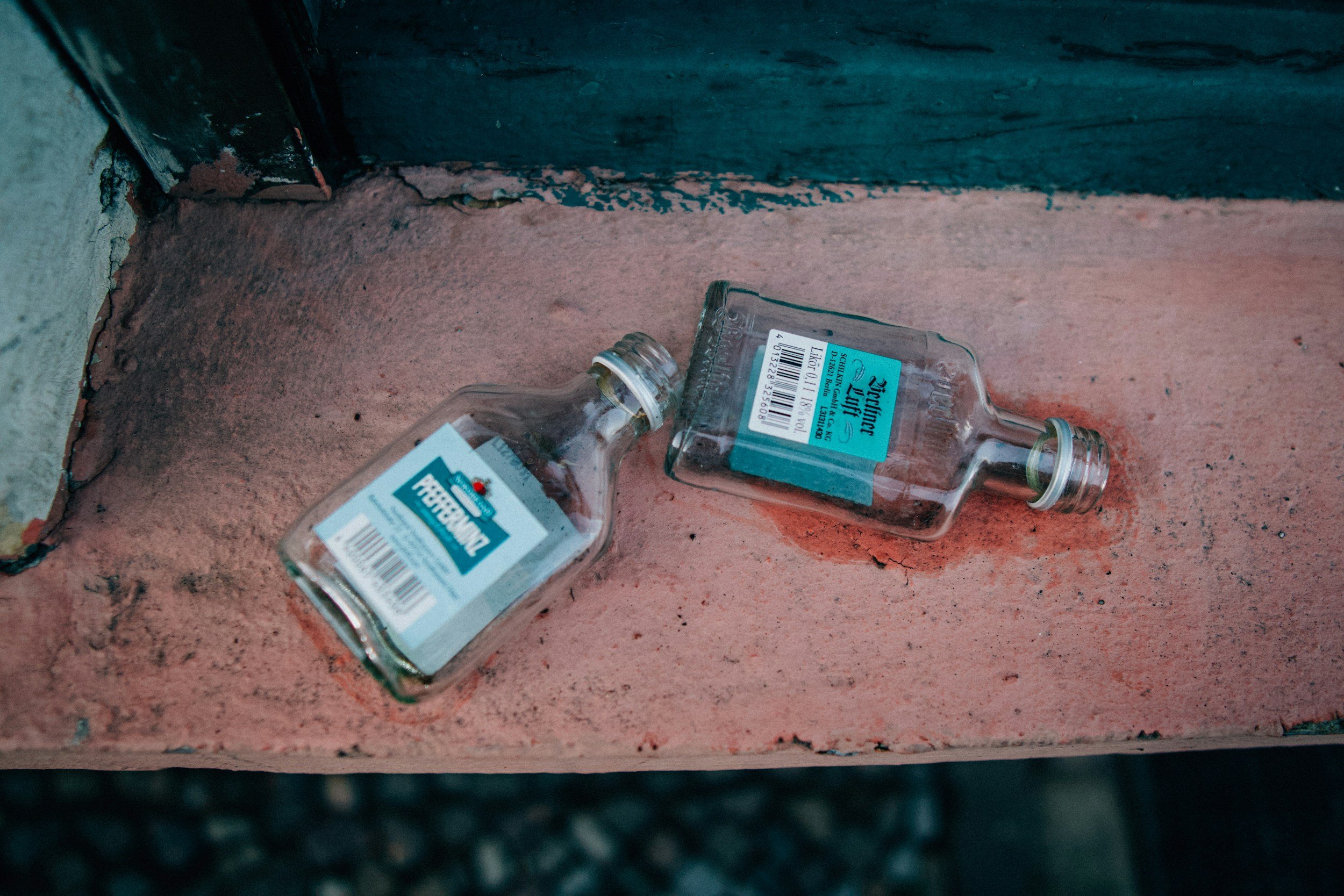
Rock bottom didn’t happen all at once. It was more like a slow unraveling. There were the mornings when I woke up with no memory of the night before, the friendships I let slip away because I couldn’t keep my promises, and the moments when I’d look in the mirror and barely recognize myself.
One night, I went out with a group of friends, drank too much (as usual), and ended up walking home alone. I don’t remember much, but I do remember tripping on the curb, hitting my head, and blacking out. I woke up in the ER the next morning, disoriented and terrified. The nurse told me someone had called an ambulance, and I was lucky I hadn’t fractured my skull. Her words cut through the fog in my head, but they didn’t stop me from drinking again.
What finally did stop me was my dad. A few weeks after the ER incident, he sat me down at the kitchen table and said, “Hanna, I’m scared for you. I don’t know what to do, but I can’t watch you destroy yourself.” My dad isn’t a man of many words, and he’s never been one to talk about emotions, so hearing him say that broke something in me.
The next day, I walked into my first Alcoholics Anonymous meeting. I didn’t know what to expect, and I was terrified of being judged. But the people there weren’t what I imagined. They were kind, honest, and, most importantly, they understood. For the first time, I felt like I wasn’t alone.
The Trip That Changed Everything
Six months into sobriety, my dad invited me on a fly-fishing trip. He’d been fly fishing for years, but I’d never gone with him. It wasn’t my thing, and honestly, I didn’t see the point. But he insisted, and I figured I owed it to him.
We drove out to the Yakima River early one Saturday morning. The air was crisp, the kind of cold that wakes you up in the best way. My dad handed me a pair of waders and helped me put them on, patiently explaining what each piece of gear was for. He gave me a quick lesson on casting, showing me how to feel the rhythm of the line as it moved through the air.
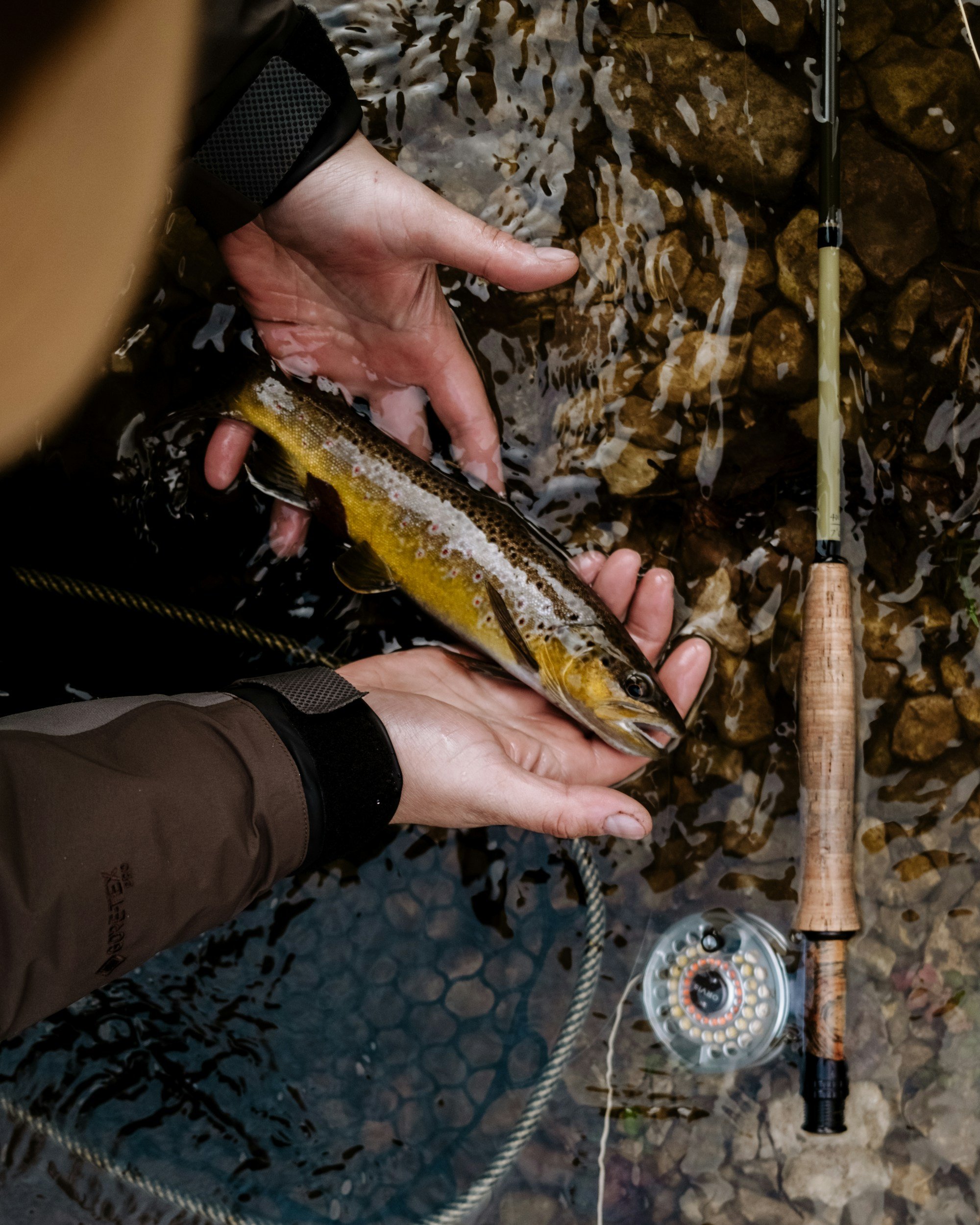
At first, I was terrible. My line kept tangling, and I nearly fell into the river more than once. But my dad just laughed and told me to keep trying. Then, after what felt like a hundred failed attempts, I cast the line, felt a tug, and reeled in my first trout. It wasn’t big, but it was mine. Holding that fish in my hands, I felt a surge of pride I hadn’t felt in years.
That moment was the beginning of something I couldn’t quite put into words.
Hooked on Healing
That first trip ignited something in me. I started researching fly fishing obsessively, watching videos, reading books, and practicing my casting in the backyard. I planned trips to new rivers, each one a new adventure, a new challenge.
Fly fishing became more than a hobby; it became my therapy. The rhythm of casting, the focus it required, and the quiet connection to nature all worked together to calm my restless mind. Every time I stepped into a river, I felt a little stronger, a little more grounded.
Soon, I started traveling to find the best spots—the Madison in Montana, the Big Thompson in Colorado, and even hidden streams in the Rockies that took hours to hike to. Each trip was a chance to reconnect with myself and the world around me.
One evening in Estes Park stands out. I was fishing alone in a quiet stretch of the Big Thompson River. The sun was setting, casting a warm golden light over the water, and everything was still except for the gentle ripples of the current. For the first time in years, I felt completely at peace.
Casting Into the Future
Today, four years sober, fly fishing remains my anchor. It’s my meditation, my passion, and my reminder that healing is possible. Every cast teaches me something new—about patience, resilience, and the beauty of being fully present.
If you’re struggling, I want you to know that it’s never too late to find your way out. Whether it’s fly fishing, painting, hiking, or something else, find what lights you up and hold onto it.
For me, it’s fly fishing. And for that, I’ll always be grateful.