A Fresh Perspective on Addiction: My In-Depth Review of Clean by David Sheff
By Nick Pearson
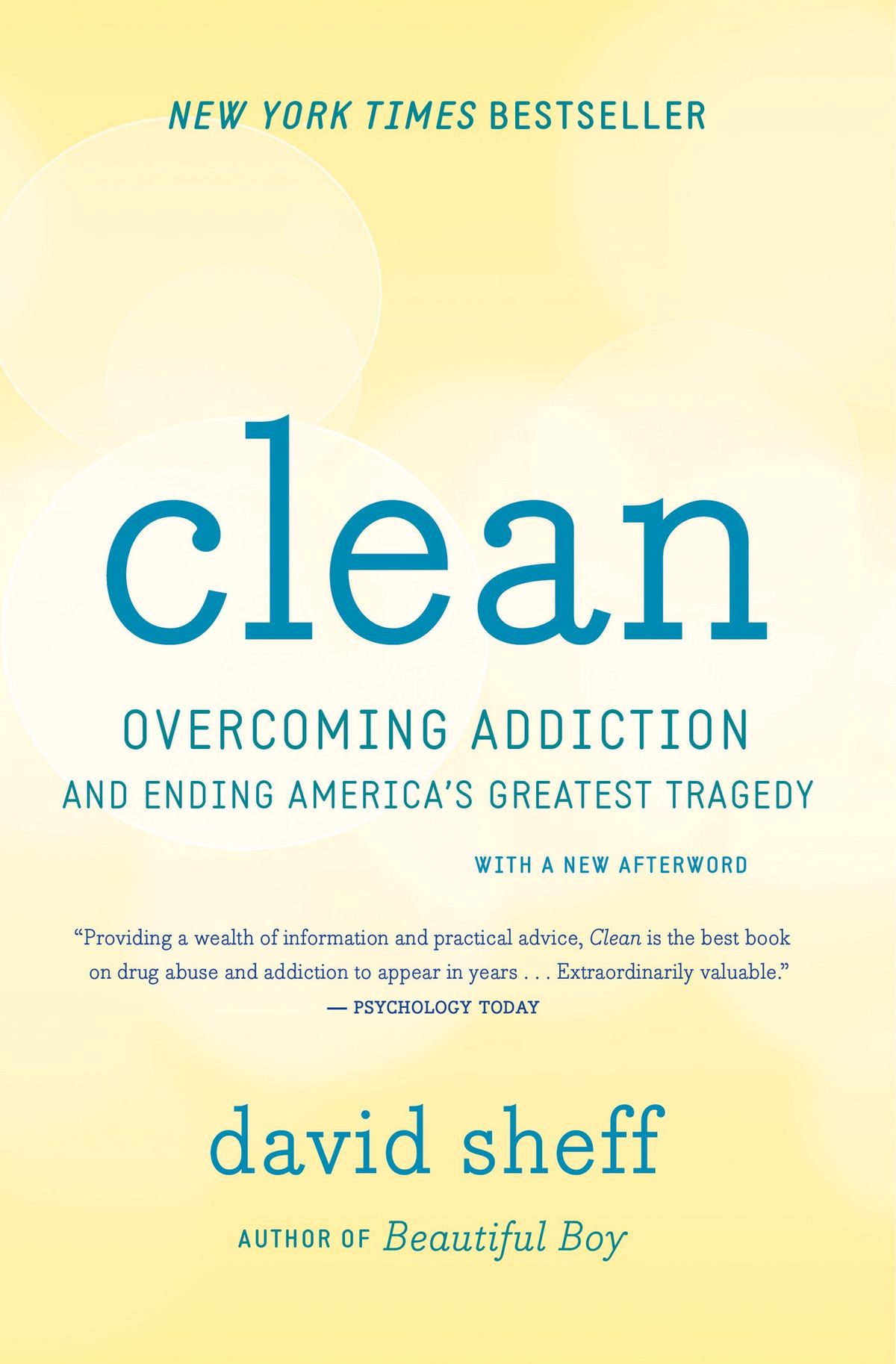
When it comes to understanding addiction, most of us are stuck in an outdated narrative. We blame, we shame, and then we wonder why nothing gets better. David Sheff’s Clean: Overcoming Addiction and Ending America’s Greatest Tragedy takes that narrative, dismantles it brick by brick, and replaces it with something revolutionary: facts, compassion, and practical solutions.
This book isn’t just a collection of stories or statistics—it’s a full-scale investigation into what addiction is, why our current systems fail, and what we can do to fix them. As someone who spends most of my time working with people in recovery, leading Sober Outdoors events, and trying to redefine what sobriety looks like, I found myself nodding (and occasionally fist-pumping) through every chapter.
But it wasn’t just the science that hooked me. Sheff brings his personal experience as the father of an addict into the mix, balancing the clinical with the emotional in a way that feels both honest and urgent. If you’ve ever wanted to understand the complexities of addiction—and how we, as a society, can do better—Clean should be at the top of your reading list.
Addiction: A Disease, Not a Choice
Let’s start with one of Sheff’s most important points: addiction is a disease. Not a moral failing. Not a lack of willpower. A disease.
Now, this isn’t exactly groundbreaking if you’ve spent time around people in recovery, but the way Sheff lays it out is nothing short of brilliant. He dives into the neuroscience of addiction, showing how substances hijack the brain’s reward system, alter its chemistry, and make quitting nearly impossible without proper intervention. He doesn’t just tell you; he walks you through it step by step, with clear, digestible explanations.
Why does this matter? Because the stigma surrounding addiction often prevents people from seeking help. Sheff makes it clear that we need to stop asking, “Why can’t they just stop?” and start asking, “What can we do to help them heal?” This shift in perspective is critical, and it’s something I wish more people understood.
Reading this reminded me of the people I’ve met at Sober Outdoors—individuals who’ve battled addiction not because they’re weak but because their brains were wired to crave relief from pain, anxiety, or trauma. The more I learn about addiction as a disease, the more I realize how urgently we need to reframe the conversation.

The System Is Broken
One of Sheff’s most damning critiques is aimed squarely at the treatment industry, and let me tell you, he doesn’t hold back. He takes on the overpriced, under-regulated rehab programs that churn people in and out without addressing the root causes of addiction. He highlights the cookie-cutter approaches that treat every addict the same, regardless of their unique needs or circumstances.
This hit home for me. I’ve seen so many people fall through the cracks because they couldn’t afford treatment or because the treatment they did receive wasn’t tailored to them. Sheff argues for evidence-based practices, like medication-assisted treatment (MAT) and cognitive-behavioral therapy (CBT), and makes a strong case for why these should be the gold standard.
But here’s the kicker: he also acknowledges that systemic change isn’t enough. We need cultural change too. That means dismantling the shame and stigma that keep people from asking for help in the first place. And let’s be real—stigma isn’t just a societal problem; it’s personal. It’s the side-eye from a coworker when you mention your recovery. It’s the uncomfortable silence when someone brings up their sobriety at a dinner party. It’s everywhere.
The Personal Connection
What makes Clean stand out from other books on addiction is Sheff’s ability to weave his personal story into the larger narrative. His son, Nic, struggled with addiction for years (documented in Sheff’s earlier book, Beautiful Boy), and Sheff doesn’t shy away from sharing the messy, painful reality of loving someone who’s addicted.
As someone who’s been sober for years, I found myself relating to both sides of the story. On one hand, I saw myself in Nic—the lies, the denial, the desperate search for relief. On the other, I saw the people who supported me, who stuck around even when I gave them every reason to walk away. Sheff’s writing is raw and unflinching, and it’s a reminder that addiction is never a solo act. It’s a ripple effect, impacting families, friends, and entire communities.
What Sheff Gets Right
There are a few key takeaways from Clean that I think everyone needs to hear:
- Addiction is treatable, but treatment isn’t one-size-fits-all.
Sheff emphasizes the importance of individualized care, whether that means MAT, therapy, or community-based programs. This aligns with what I’ve seen at Sober Outdoors. Recovery looks different for everyone, and that’s okay. - We need to focus on prevention.
Early intervention can make a huge difference, but we’re terrible at it. Instead of waiting until someone hits rock bottom, we should be identifying risk factors and providing support before addiction takes hold. - Compassion is non-negotiable.
This one hit me hard. Shame and judgment don’t help—they hurt. If we want to create a culture of recovery, we need to lead with empathy.

The Outdoors: A Missing Piece of the Puzzle
While Sheff’s book focuses more on clinical and systemic solutions, I couldn’t help but think about the role the outdoors plays in recovery. For me, climbing mountains and hiking trails have been just as transformative as therapy and support groups. There’s something about being in nature—away from screens, stress, and societal expectations—that makes healing feel possible.
The community we’ve built through Sober Outdoors embodies a lot of what Sheff advocates for: connection, compassion, and purpose. I’ve seen people come to our events feeling broken and leave with a renewed sense of hope. The outdoors isn’t just a backdrop for recovery; it’s a tool. It’s the reminder that life is bigger than our struggles, that we’re capable of more than we think, and that there’s beauty waiting for us if we’re willing to climb toward it.
Why You Should Read Clean
If you’ve ever been curious about addiction—whether you’ve experienced it personally, watched a loved one struggle, or just want to understand it better—this book is for you. Sheff combines hard science with heartfelt storytelling, creating a guide that’s as informative as it is inspiring.
For me, Clean wasn’t just a book; it was a mirror. It made me reflect on my own journey, the people who’ve supported me, and the work we still need to do as a society. It reaffirmed why I started Sober Outdoors in the first place—to create a space where people in recovery can find connection, purpose, and a sense of belonging.
So read the book. Then let’s meet on the trails and talk about it. Who knows? It might just change your perspective—or your life.